Dr. Brittany Schamerhorn: The Truth About The Birth Control Pill
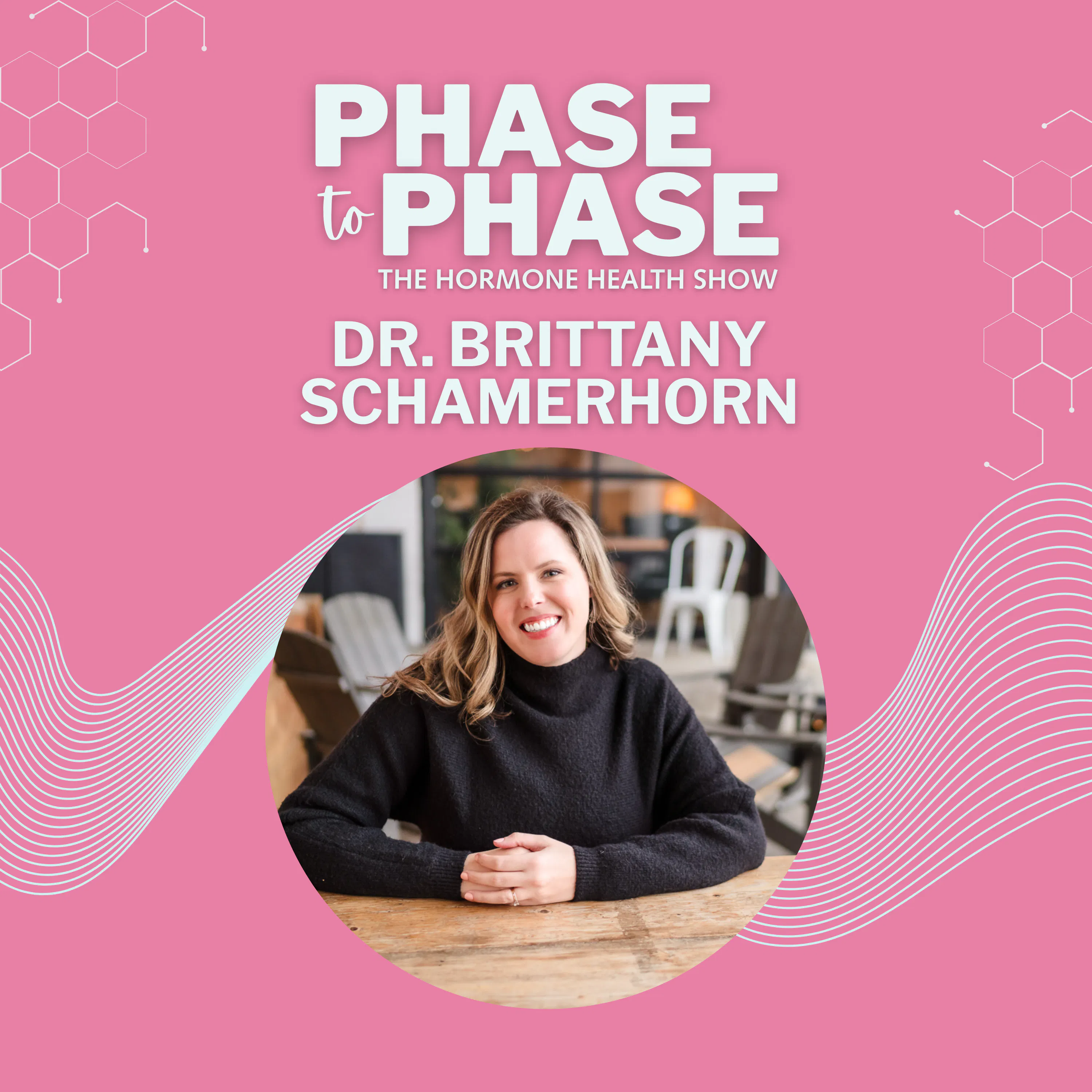
Host Dr. Anne Hussain welcomes Dr. Brittany Schamerhorn to the podcast to discuss the truth behind the birth control pill including its many treatment cases, and the myths surrounding it's use.


Heavy periods? Take the pill. Period pain? Take the pill. Acne? Take the pill.
It feels like the universal solution for every hormone-based problem, doesn’t it? Even if you aren't trying to prevent pregnancy, chances are you’ve walked out of a doctor's office with a prescription in hand. But is it a "band-aid" solution that masks the root cause, or is it a valid, life-changing tool?
In this episode, Naturopathic Drs. Anne Hussain and Brittany Schamerhorn have the nuanced conversation about birth control that most of us never got to have in the doctor's office. They tackle the biggest myths and worries patient face: Does the pill cause infertility? Am I going to get “post-pill syndrome”? Is it actually just masking symptoms? Whether you are happily on the pill, desperate to come off, or somewhere in between, this episode gives you the permission and the scripts to make the choice that is right for you.
Takeaways
- The birth control pill is often seen as a universal solution for hormonal issues from acne and PMS to heavy flow and period pain. The combined oral contraceptive pill has estrogen and progestin that suppress ovulation and the symptoms associated with hormone change over a menstrual cycle.
- There are different types of birth control pills with varying mechanisms of action. Withdrawal bleeds are not necessary for everyone on the pill. Many side effects of the pill can be adjusted with different formulations.
- The pill does not cause infertility or ruin your fertility. However, it can cover up underlying fertility issues (like irregular ovulation due to PCOS, or heavy periods due to adenomyosis) for years. This means that when you come off the pill, these conditions still exist.
- Post-pill syndrome is often overstated and requires time for adjustment.
- Women should feel empowered to change their contraceptive choices at any time. Hormonal contraception provides significant value in family planning and hormonal management.
- Open communication with healthcare providers is crucial for informed decision-making. It's essential to have open conversations about health decisions with providers. Patients should feel comfortable questioning their treatment options and changing their mind based on their experience and circumstances.
Links:
Dr. Brittany’s Clinic, Ivy Health:
https://www.ivyhealthclinic.com/
Connect with Dr. Brittany on Instagram:
https://www.instagram.com/drbritschamerhorn.nd/
Resources:
Blog post on the pill and fertility:
https://annehussain.com/blog/birth-control-pill-does-it-cause-infertility
Blog post on PCOS and the pill:
https://annehussain.com/blog/pcos-the-pill-2
Grab Dr. Anne's Period Literacy Handbook
Connect with Dr. Anne Hussain, ND:
https://phasetophase.ca/
https://annehussain.com/
Chapters
(00:00) Understanding the Birth Control Pill
(03:12) The Role of Hormones in Women's Health
(06:26) Mechanisms of the Pill: Combined vs. Progestin-Only
(09:01) Who Should Avoid the Combined Pill?
(12:34) The Necessity of Withdrawal Bleeds
(18:05) Navigating Patient Conversations
(23:31) Fertility Considerations and the Pill
(28:40) Post-Pill Syndrome: Myth or Reality?
(31:07) Navigating Fertility and Hormonal Health
(35:47) Understanding Contraceptive Choices
(39:26) The Value of Contraception
(41:43) Common Side Effects of the Pill
(45:17) Evolving Perspectives on Health
Learn more about your ad choices. Visit megaphone.fm/adchoices