Cholesterol in Perimenopause and PMOS: What Your Numbers Really Mean with Dr. Alexandra Verge
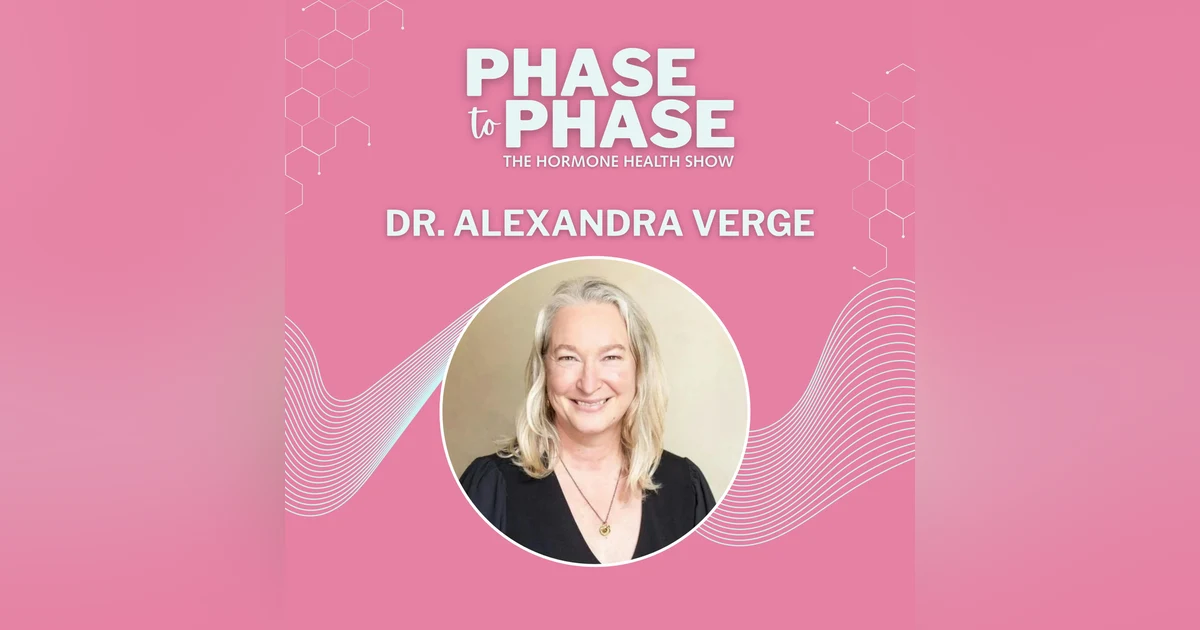

LDL is called "bad" cholesterol. It can start to creep up if you have PMOS, a strong family history, or in perimenopause. What do all the cholesterol numbers on your blood work mean and what can be done about cholesterol? Find out in this episode.


In this episode of Phase to Phase: The Hormone Health Show, Dr. Anne Hussain, ND is joined by naturopathic doctor, educator, and speaker Dr. Alexandra Verge to break down cholesterol, lipid panels, and heart health especially with the changing estrogen in perimenopause. Together, they go through markers like HDL, LDL, Apo B, and Lipoprotein(a), why the menopause transition triggers shifts in our numbers, and how to look beyond standard risk assessments. Dr. Verge shares practical, evidence-based insights on separating lifestyle influences from genetic factors, adding nutrition from soluble fibre and decreasing saturated fat, and approaching medical interventions as neutral, empowering tools for long-term wellness.
Takeaways
Is all cholesterol bad? Cholesterol isn’t inherently bad. It’s a vital structural backbone for our cell membranes and the primary building block for steroid hormones like estrogen and progesterone.
A lipid panel breaks down the different cholesterol particles, like total cholesterol, HDL, and non-HDL (which is predominantly made up of LDL particles). These are all carrying the same cholesterol but the transporting vehicles are not all the same. A lipid panel also looks at triglycerides (fats!).
Who needs Apo B and lipoprotein(a) testing? Advanced testing offers a clearer risk picture. This usually includes tests like Apolipoprotein B (which counts total circulating particle number like license plates on a highway) and Lp(a) (a genetically determined stickier particle found in about 20% of people) that lie outside of a standard cholesterol panel.
Why is my cholesterol changing in perimenopause? Shifting hormones like declining estrogen in perimenopause accelerates cholesterol changes (chronological ageing and exposure over time also play roles!).
How can I lower LDL cholesterol? Dietary modification for lowering LDL cholesterol focus on lowering saturated fat from red meat and increasing fibre, especially soluble fibre, found in oats, psyllium, and beans.
Medications like statins are tools that can be considered for a variety of people, like when lifestyle modifications aren't enough (or if you’re learning how to do this) and in cases of strong genetic predispositions like an LDL over 4.9 mmol/L.
Dr. Alexandra Verge is a naturopathic doctor, educator, and speaker based in Guelph, Ontario. After 25 years in practice, she's still a little obsessed with hearts - specifically turning high blood pressure and cholesterol numbers into something people can actually act on, not just worry about. Her practical, sustainable, and collaborative approach is built on one idea: when people understand their health, they can advocate for it.
Chapters
00:00 Intro
1:18 What is cholesterol?
5:03 Lipid panel breakdown
7:34 HDL vs. LDL
8:43 ApoB and Lipoprotein(a)
15:50 Who needs cholesterol testing?
18:37 Cholesterol in perimenopause
24:51 Lifestyle and nutrition for high cholesterol
29:27 Statins and medication
34:03 Wrap-up
Dr. Alex's Links:
Dr. Anne's Links:
Learn more about your ad choices. Visit megaphone.fm/adchoices