Disabled Kids Are Not Content: Advocacy, Privacy & Consent Online with Sarah Todd Hammer


What happens when a child’s disability, diagnosis, medical journey, or private care needs become content online?
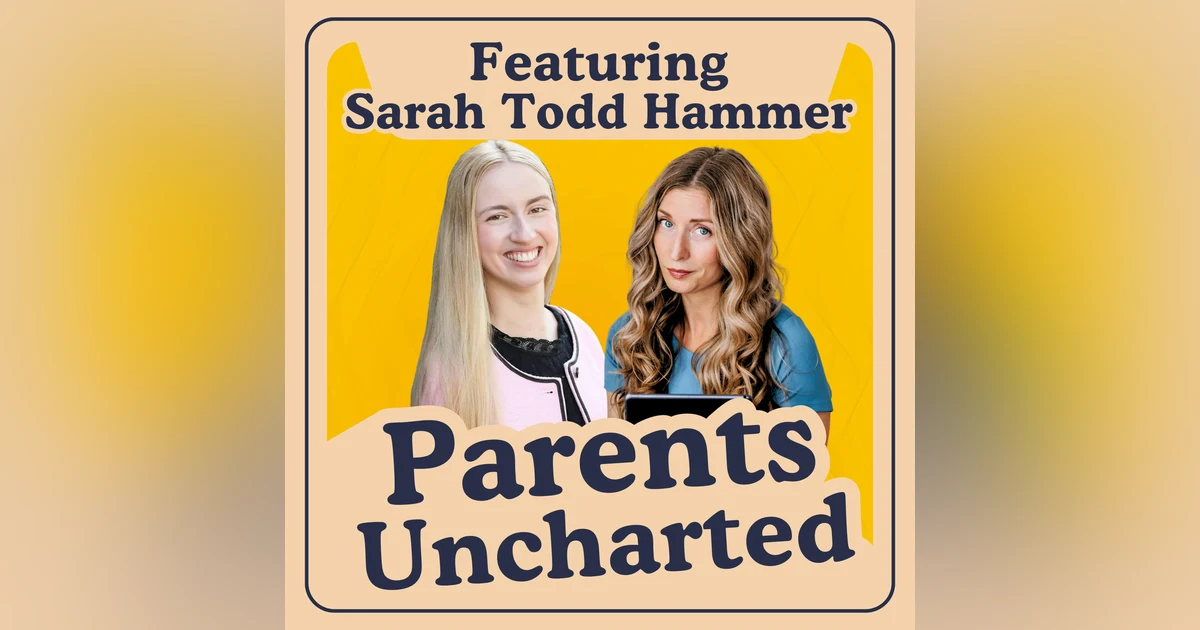
In this episode of Parents Uncharted, Sarah Adams is joined by author, speaker, content creator, and disability advocate Sarah Todd Hammer for an honest conversation about disability representation, social media visibility, and the ethics of parents sharing their children’s lives online.
After acquiring a spinal cord injury from acute flaccid myelitis at age eight, Sarah Todd began advocating for disability awareness as a child. Today, she uses her platform to educate others about disability, accessibility, inclusion, and what it means to share your own story on your own terms.
Together, Sarah Adams and Sarah Todd discuss the highs and challenges of being a disabled creator online, the importance of authentic representation, common misconceptions about disability, and why disabled people should be at the centre of conversations that affect their community.
They also examine one of the most difficult questions in the disability community: when does sharing a child’s disability online become exploitation rather than advocacy?
This conversation explores medical privacy, informed consent, caregiving content, online safety, the pressure parents face to seek support, and why awareness should never come at the expense of a child’s dignity.
In this episode, we discuss:
-
Sarah Todd’s experience acquiring a spinal cord injury at age eight
-
Growing up online and becoming a disability content creator
-
The benefits and risks of visibility on social media
-
Building boundaries around privacy, location-sharing, comments, and public access
-
Why authentic disability representation matters in media
-
Misconceptions about disability, independence, happiness, and caregiving
-
The return of ableist language online and why it matters
-
Whether disabled people are expected to constantly educate others
-
The difference between sharing your own disability story and sharing someone else’s
-
Parents sharing children’s diagnoses, care routines, hospital visits, and medical histories
-
Why “raising awareness” can become a justification for violating a child’s privacy
-
How parents can seek community, funding, and support without making their child content
-
Why disabled adults’ perspectives should lead conversations about disabled children
-
Social media age limits, online community, and safety for marginalized young people
This conversation is an invitation for parents, caregivers, and anyone who cares about children’s privacy to pause and consider who benefits when a child’s most personal experiences are shared online. Sarah Todd offers an essential reminder that disability advocacy must be led by disabled voices and that dignity, autonomy, and consent should always come before views, validation, or visibility.
Chapters
(00:00) Introduction
(02:12) Sarah Todd’s story: acute flaccid myelitis and disability advocacy
(04:41) Growing up online and finding a public platform
(08:51) The highs and risks of being a disabled content creator
(11:02) Online boundaries: safety, privacy, and the block button
(14:41) Negative comments, Reddit, and being recognized in public
(18:02) Why disability visibility and representation matter
(22:32) The harmful myths society still believes about disability
(28:41) When parents make a child’s disability into online content
(30:23) Caregiving, intimate moments, and informed consent
(37:39) Seeking support without violating a child’s privacy
(41:40) Why sharing your own disability story is different
(44:01) “What if my child can never consent?”
(46:32) Medical privacy, hospital content, and clickbait culture
(48:49) What disabled adults say about being posted as children
(51:13) Social-media age limits, safety, and marginalized communities
(54:20) Where advocacy ends and exploitation begins
About Sarah Todd Hammer
Sarah Todd Hammer is a published author, speaker, content creator, and disability advocate. At age eight, she acquired a spinal cord injury due to acute flaccid myelitis, a neurological condition that can cause sudden weakness and paralysis.
Since childhood, Sarah Todd has used storytelling and advocacy to raise awareness about disability, accessibility, inclusion, and representation. She began by co-authoring books with a close friend who has a similar disability and later expanded her work through writing, speaking engagements, and social media.
Today, she creates thoughtful, accessible content about disability, daily life, advocacy, and the importance of respecting disabled people’s autonomy, privacy, and lived experience.
Connect with Sarah Todd
Website:https://www.sarahtoddhammer.com/
Instagram: https://www.instagram.com/sarahtoddhammer
YouTube: https://www.youtube.com/@SarahToddHammer
Connect with Sarah Adams:
https://momuncharted.com/
https://www.instagram.com/mom.uncharted/
https://www.tiktok.com/@mom.uncharted
http://parentsuncharted.com/
https://www.instagram.com/parents.uncharted/
https://www.tiktok.com/@parents.uncharted
Learn more about your ad choices. Visit megaphone.fm/adchoices